How Long Does the Dyson V8 Battery Last? And How to Extend Its Runtime

The Dyson V8 is known for its strong suction and lightweight cordless design, making it a popular choice for daily cleaning. Like all cordless vacuums, however, its performance depends heavily on the condition of the battery. Understanding how long the Dyson V8 battery is designed to last and what affects its runtime can help users maintain stable performance and avoid unnecessary battery replacements.

How Long Does the Dyson V8 Battery Last in Daily Use

Under normal conditions, the Dyson V8 battery provides around 30 to 40 minutes of cleaning time in standard mode. This runtime is based on using non‑motorized tools and cleaning at a steady pace. When using motorized brush heads, the runtime may drop slightly because the motor requires additional power. In Max mode, the battery drains much faster, often lasting only 6 to 8 minutes. This is normal behavior, as Max mode is designed for short bursts of deep cleaning rather than continuous use.

How Long the Dyson V8 Battery Lasts Over Its Lifespan

In terms of long‑term durability, the Dyson V8 battery typically lasts between three and five years, depending on usage habits. Lithium‑ion batteries naturally lose capacity over time as they go through charge cycles. Heavy use, frequent Max mode cleaning, and exposure to high temperatures can accelerate this aging process. After a few years, users may notice shorter runtime, slower charging, or the vacuum shutting off unexpectedly. These are common signs that the battery is reaching the end of its lifespan.

Factors That Affect Dyson V8 Battery Runtime

Several factors influence how long the Dyson V8 battery lasts during each cleaning session. Using Max mode significantly reduces runtime because the motor draws much more power. Clogged filters and restricted airflow also force the motor to work harder, which drains the battery faster. Temperature plays a role as well. Batteries perform best at moderate temperatures, while extreme heat or cold can temporarily reduce capacity. Finally, the age of the battery itself is a major factor, as older cells naturally hold less charge.

How to Extend the Runtime of the Dyson V8 Battery

Maintaining the vacuum properly can help extend battery runtime. Cleaning the pre‑filter and HEPA filter regularly ensures smooth airflow and reduces strain on the motor. Dyson recommends washing the filters at least once a month. Avoiding unnecessary use of Max mode also helps preserve battery life. Standard mode is sufficient for most cleaning tasks, and switching to Max mode only when needed prevents rapid power consumption.

Proper charging habits can also make a difference. Allowing the battery to cool down after use before charging helps slow down long‑term wear. Storing the vacuum in a moderate‑temperature environment protects the battery from heat damage and cold‑related performance drops. Ensuring that the charger and charging contacts are clean and functioning properly helps the battery receive a full charge each time.

How to Extend the Long‑Term Lifespan of the Dyson V8 Battery

To maximize the overall lifespan of the Dyson V8 battery, users should avoid deep discharges whenever possible. Lithium‑ion batteries last longer when they are not frequently drained to zero. Regular maintenance, proper storage, and moderate use of Max mode all contribute to slower battery aging. If the vacuum is used heavily, replacing the filter more frequently can also help maintain efficient airflow and reduce battery strain.

When to Consider Replacing the Dyson V8 Battery

Even with good maintenance, all lithium‑ion batteries eventually reach the end of their usable life. If the Dyson V8 runs for only a few minutes, shuts off unexpectedly, or fails to hold a charge, these are clear signs that the battery may need to be replaced. A high‑quality replacement battery can restore the vacuum’s original performance and extend its overall lifespan.

The Dyson V8 battery offers reliable performance for several years, with a typical runtime of 30 to 40 minutes in standard mode. By understanding the factors that affect battery life and following good maintenance practices, users can extend both the daily runtime and the long‑term lifespan of their Dyson V8. When the battery eventually wears out, replacing it with a high‑quality unit is the most effective way to restore strong performance.
Why Your Dyson V8 Battery Drains Fast and How to Fix It?

The Dyson V8 is known for its strong suction and convenient cordless design, but many users eventually notice that the battery no longer lasts as long as it once did. A fast‑draining battery can be frustrating, especially when cleaning sessions become shorter and the vacuum needs frequent recharging. Understanding why this happens is the first step toward restoring performance and extending the life of your Dyson V8.

Common Reasons Why the Dyson V8 Battery Drains Quickly

One of the most common causes is natural battery aging. Like all lithium‑ion batteries, the Dyson V8 battery gradually loses capacity after hundreds of charge cycles. As the internal cells degrade, the total runtime becomes shorter, even if the vacuum is used normally.

Another major factor is the use of Max mode. The Dyson V8 offers a high‑power mode that dramatically increases suction, but it also consumes energy at a much faster rate. Even a short period of cleaning in Max mode can significantly reduce runtime. Many users accidentally leave the vacuum in Max mode without realizing it, which creates the impression that the battery is failing.

Clogged filters and restricted airflow can also cause the battery to drain quickly. When the filters or airways are blocked, the motor must work harder to maintain suction. This extra load increases power consumption and shortens the runtime. A dirty HEPA filter, a brush bar tangled with hair, or dust buildup inside the cyclone assembly can all contribute to reduced efficiency.

Temperature is another important factor. Lithium‑ion batteries are sensitive to extreme heat and cold. Using or charging the Dyson V8 in very hot or very cold environments can reduce battery performance. High temperatures accelerate battery aging, while low temperatures temporarily reduce capacity, making the vacuum run out of power more quickly.

In some cases, the issue is not the battery itself but the charger or charging port. If the charger is damaged or the charging contacts are dirty, the battery may not receive a full charge. As a result, the vacuum appears to drain quickly simply because it never reached full capacity.

How to Fix Fast Battery Drain on the Dyson V8

Cleaning the filters and airflow path is one of the simplest ways to improve battery performance. Washing the pre‑filter and HEPA filter, removing hair from the brush bar, and clearing dust from the cyclone assembly reduce motor strain and help the vacuum run more efficiently. Dyson recommends cleaning the filters at least once a month.

Avoiding unnecessary use of Max mode also helps extend battery life. The standard mode provides enough suction for most daily cleaning tasks, while Max mode should be reserved for short bursts of heavy cleaning. Checking the Max mode switch before each use ensures the vacuum is not unintentionally running at maximum power.

Proper charging and storage habits can also make a difference. Keeping the Dyson V8 in a moderate‑temperature environment protects the battery from heat damage and cold‑related capacity loss. Allowing the battery to cool down after use before charging helps slow down long‑term wear.

It is also important to inspect the charger and charging dock. If the vacuum does not seem to charge fully, checking the charger for damage and ensuring the charging contacts are clean can help identify whether the issue is related to the charging system rather than the battery.

When the battery has reached the end of its lifespan, replacing it is often the most effective solution. If the Dyson V8 runs for only a few minutes, shuts off unexpectedly, or fails to hold a charge, these are clear signs that the battery needs to be replaced. A high‑quality replacement battery restores the original performance and extends the overall lifespan of the vacuum.

A Dyson V8 battery that drains quickly is usually the result of natural aging, heavy use of Max mode, clogged filters, or environmental factors. By maintaining the vacuum properly and following good charging habits, you can slow down battery wear and enjoy longer runtime. When the battery finally reaches the end of its lifespan, replacing it with a reliable new battery is the most effective way to restore the vacuum’s performance.


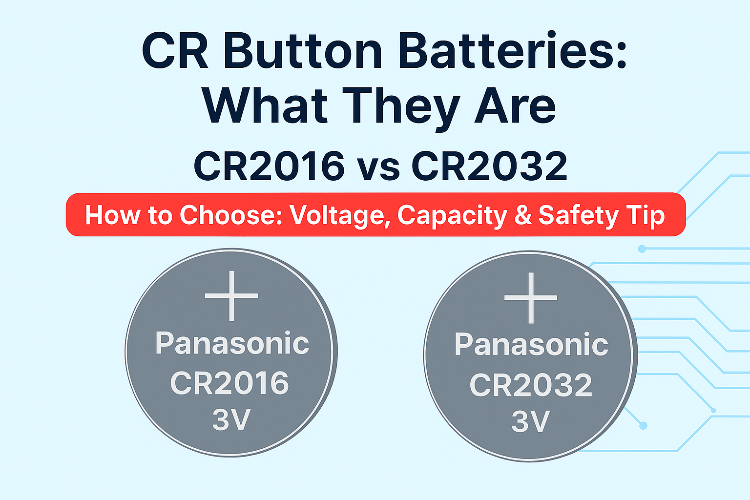
Understanding CR Button Batteries — CR2016 vs CR2032

CR Button Batteries: What They Are and How to Choose Between CR2016 and CR2032

CR batteries are one of the most common types of button cell batteries. They are lithium manganese dioxide batteries, known for their affordability and wide usage in everyday devices such as smoke detectors, bathroom scales, watches, and calculators.

What Do the Numbers in CR Batteries Mean?

Each CR battery model includes a four-digit number that indicates its physical dimensions:

  • First two digits: Diameter in millimeters
  • Last two digits: Thickness in tenths of a millimeter

For example:

  • CR2016 → 20mm diameter, 1.6mm thickness
  • CR2032 → 20mm diameter, 3.2mm thickness

Battery holders and compartments are specifically designed to match these dimensions, so choosing the correct model is essential for proper fit and performance.

CR2016 vs CR2032: Key Differences

While both CR2016 and CR2032 batteries share the same voltage (3V) and are non-rechargeable, they differ significantly in capacity and usage:

Feature CR2016 CR2032
Voltage 3V 3V
Capacity ~90mAh ~240mAh
Usage Time ~6 hours ~10 hours
Common Devices Watches, calculators PC motherboards, car remotes, toys

Where Are These Batteries Used?

CR2016 is ideal for low-power devices such as:

  • Wristwatches
  • Calculators
  • Small remote controls

CR2032 is used in higher-demand electronics like:

  • Computer motherboards (CMOS backup)
  • Car key fobs
  • Card readers
  • Toys and smart gadgets

Important Safety Reminder

Due to their small size, both CR2016 and CR2032 batteries pose a choking hazard, especially for children. If you have kids at home:

  • Keep button batteries out of reach
  • Ensure battery compartments in toys are securely sealed
  • Choose products with child-safe battery housing

Button batteries can be dangerous if swallowed, so proper storage and disposal are crucial.

Conclusion

CR button batteries are compact, powerful, and widely used — but choosing the right model matters. CR2032 delivers more capacity and longer life, while CR2016 fits thinner devices with lower power needs. Always check your device’s specifications and prioritize safety, especially in households with children.

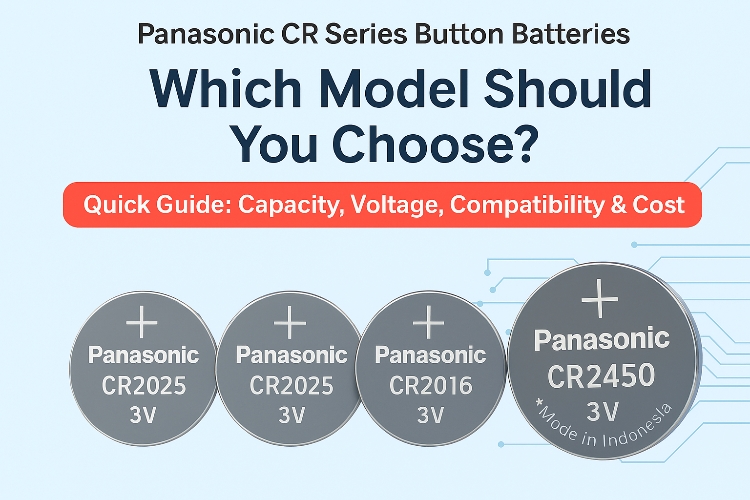
Panasonic CR Series Button Batteries: CR2032, CR2025, CR2016 — Which One Should You Choose?

Still scratching your head over which Panasonic CR series button battery to buy? Whether you’re powering a remote, a scale, or a smart lock, choosing the right battery model can make all the difference. This guide breaks down everything you need to know — from CR2032 to CR2450 — covering voltage, capacity, device compatibility, and cost-performance. Let’s dive in!

What Is the Panasonic CR Series?

Panasonic’s CR series refers to lithium manganese dioxide button batteries, known for:

  • Stable 3V output
  • Long shelf life (up to 10 years)
  • Wide temperature tolerance
  • Leak-resistant design

These batteries are non-rechargeable and ideal for low-power, long-duration devices.

Understanding the Model Numbers

Model Number Analysis: How do you actually pronounce the CR series?
“C” stands for lithium-manganese dioxide battery (Li-MnO₂).
“R” stands for round battery.
The following numbers: The first two digits represent the diameter (mm), and the last two represent the thickness (mm).
For example:
– CR2032: 20mm diameter, 3.2mm thickness
– CR2025: 20mm diameter, 2.5mm thickness
– CR1620: 16mm diameter, 2.0mm thickness

Model Size (mm) Voltage Capacity (mAh) Typical Devices
CR2016 20 × 1.6 3V ~90 Car remotes, fitness trackers
CR2025 20 × 2.5 3V ~170 Scales, watches, key fobs
CR2032 20 × 3.2 3V ~230 Motherboards, sensors, remote controls
CR2450 24.5 × 5.0 3V ~600 Smart locks, LED devices, IoT gadgets

CR2032: Super stable for routers and motherboard BIOS, it lasts up to two years without a problem after a single replacement. It’s the undisputed king of value!
CR2025: Perfect for smart bracelets—light, thin, and functional. While its battery life is a bit shorter than the CR2032, it doesn’t affect daily use.
CR2450: Used in action camera remote controls, it lasts significantly longer than regular button batteries. Highly recommended for those who frequently shoot videos outdoors!
CR1616/CR1620: Perfect for digital watches and small devices. They’re compact and easy to replace, though you’ll need to do it more often.
If you’re a lazy person, it’s recommended to prioritize higher-capacity batteries, such as CR2032 or CR2450, to save on frequent battery changes. If your device requires space, a smaller model will do the trick.

How to Choose the Right Model

  • Check Your Device’s Battery Compartment: Most devices specify the exact model required.
  • Match Capacity to Usage: CR2032 is versatile; CR2025 fits tighter spaces; CR2450 powers high-demand devices.
  • Consider Shelf Life: Higher-capacity models tend to last longer in active use.
  • Compare Cost-Performance: CR2032 may cost more but offers better longevity.

Why Choose Panasonic?

Panasonic is known for:

  • Consistent quality and reliability
  • Low self-discharge rates
  • Excellent leak protection
  • Global availability and trusted brand reputation

Pro Tip: Where to Buy

Popular platforms include:

  • CR2032, CR2025, CR2016: Fast delivery, bulk options

Choosing the right Panasonic CR battery isn’t just about size — it’s about matching power, longevity, and compatibility. With this guide, you’re now equipped to make the perfect pick, whether it’s CR2016 for your watch or CR2450 for your smart lock.

Still unsure? Snap a photo of your device’s battery compartment or model number — I’ll help you decode it!

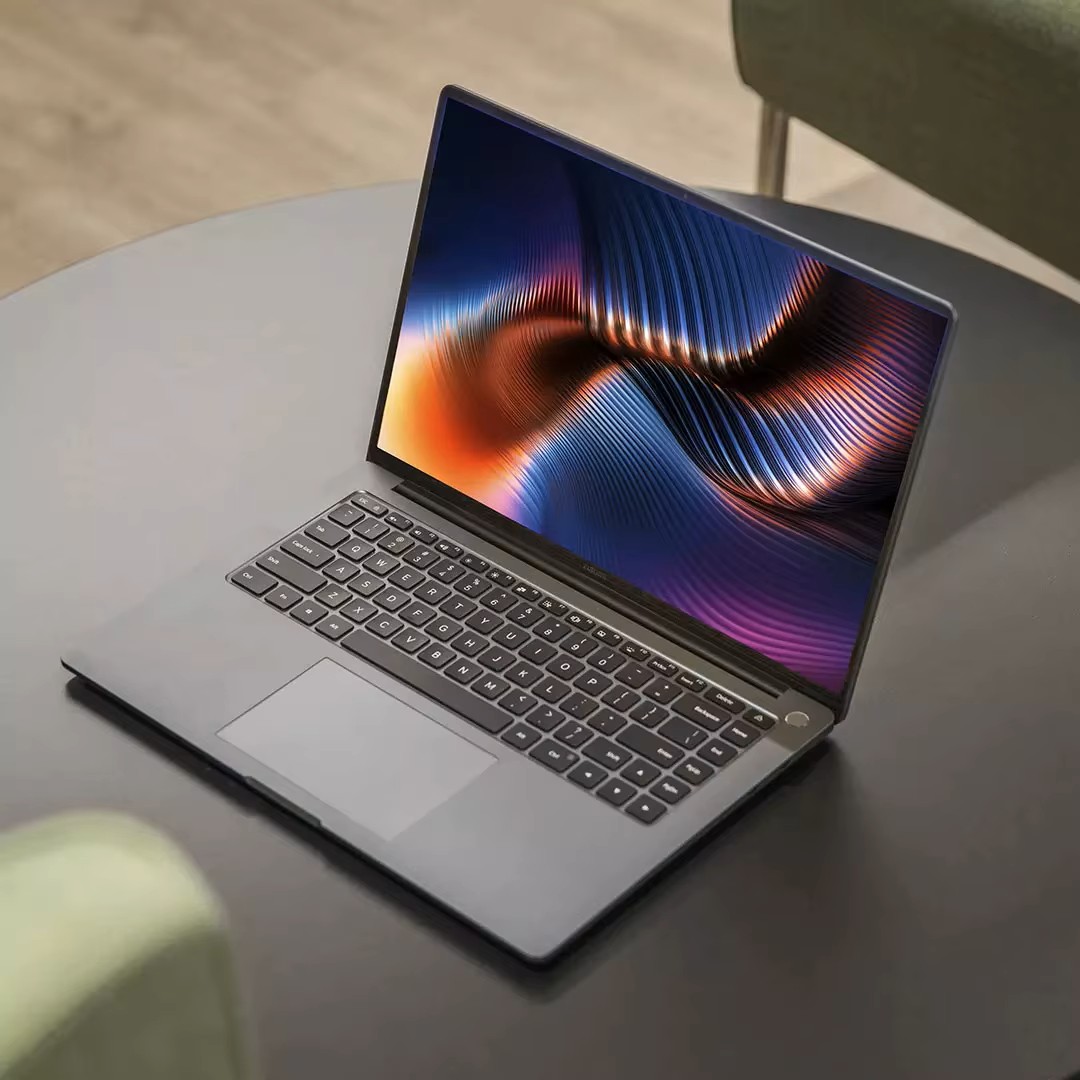
What to Do When Your Xiaomi Laptop Can’t Connect to Bluetooth?

What to Do When Your Xiaomi Laptop Can’t Connect to Bluetooth

Bluetooth is one of those features you don’t think about—until it stops working. Whether you’re trying to connect wireless headphones, a mouse, or transfer files, a broken Bluetooth connection can be frustrating. If you’re using a Xiaomi laptop and suddenly find that Bluetooth won’t connect, don’t worry. This guide walks you through practical steps to fix the issue and get your devices talking again.

Start with the obvious: is Bluetooth actually turned on?

It sounds basic, but it’s the first thing to check. On most Xiaomi laptops running Windows, you can:

  • Click the Bluetooth icon in the taskbar or go to Settings > Devices > Bluetooth & other devices
  • Make sure the toggle is set to “On”
  • If you don’t see the toggle, your Bluetooth driver may be missing or disabled

Also, check Airplane Mode—if it’s on, Bluetooth will be off too.

Try these quick fixes before diving deeper

If Bluetooth is enabled but still not working, try the following:

  • Restart your laptop: A simple reboot can fix temporary glitches
  • Remove and re-pair the device: Go to Bluetooth settings, remove the device, and reconnect
  • Check battery levels: Low battery on your headphones or mouse can prevent pairing
  • Use the troubleshooter: In Windows, search for “Bluetooth troubleshooter” and follow the prompts

Dig into driver and hardware issues

If the problem persists, it might be deeper than a simple toggle. Xiaomi laptops use Intel or Realtek Bluetooth modules, and outdated or corrupted drivers can cause failures. Here’s what to do:

  • Open Device Manager and expand Bluetooth
  • Right-click your Bluetooth adapter and choose Update driver
  • If that doesn’t help, uninstall the driver and restart your laptop—Windows will reinstall it automatically
  • Visit Xiaomi’s official support site to download the latest drivers for your model

Some users report that after a Windows update, Bluetooth stops working until the driver is manually reinstalled. This is especially common on models like the Xiaomi Notebook Pro 15 or RedmiBook 14.

Consider external factors and advanced fixes

Sometimes the issue isn’t your laptop—it’s interference or compatibility. For example:

  • USB 3.0 ports can interfere with Bluetooth signals. Try unplugging nearby USB devices
  • Third-party antivirus software may block Bluetooth services
  • BIOS settings: In rare cases, Bluetooth can be disabled at the BIOS level. If you’re comfortable, check your BIOS settings during startup

If you’ve recently installed new software or changed system settings, consider rolling back or restoring to a previous point.

Keep your system healthy to avoid future issues

Bluetooth problems are often a symptom of broader system instability. To prevent future headaches:

  • Keep Windows and drivers updated
  • Avoid installing unknown Bluetooth utilities or drivers from unofficial sources
  • Use Xiaomi’s built-in system diagnostics or apps like Mi Smart Manager to monitor hardware health
  • If Bluetooth fails repeatedly, consider using a USB Bluetooth dongle as a backup

With regular maintenance and smart troubleshooting, your Xiaomi laptop should stay connected and reliable.

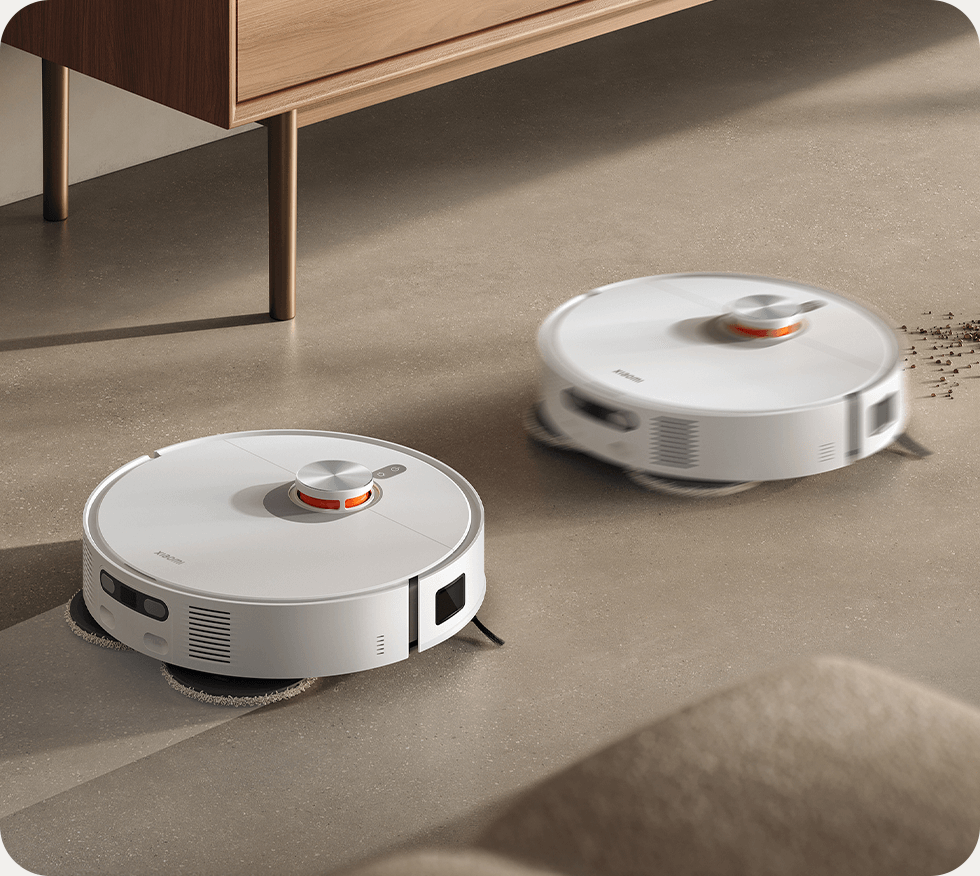
How to Take Care of Your Xiaomi Robot Vacuum Battery (Without Losing Your Mind)

How to Take Care of Your Xiaomi Robot Vacuum Battery (Without Losing Your Mind)

Xiaomi robot vacuums like the X20 Pro, Mi Robot Vacuum Mop 2 Ultra, and Mop 2S have become household staples for busy families and tech-savvy homeowners. They glide across floors, dodge furniture, and even mop on command. But behind all that smart cleaning power is a battery that quietly does the heavy lifting. If you want your robot to keep working like new, battery care isn’t optional—it’s essential.

Let’s walk through how to keep your Xiaomi vacuum’s battery healthy, avoid common problems, and know when it’s time for a replacement.

Start with the basics: what kind of battery are we dealing with?

Most Xiaomi robot vacuums use lithium-ion batteries. These are lightweight, fast-charging, and offer solid runtime—often up to 180 minutes on models like the X20 Pro. They also come with built-in protection boards to prevent overcharging and overheating. That said, lithium batteries don’t last forever. After 500–800 charge cycles, performance starts to dip. Knowing this helps you set realistic expectations and build better habits.

Daily habits that make a big difference

Battery care isn’t complicated—it’s about consistency. Here are a few things you can do:

  • Dock smartly: Always return the vacuum to its charging dock after use, but don’t leave it plugged in for weeks without activity.
  • Mind the environment: Keep the dock in a cool, dry place. Heat and humidity are battery killers.
  • Clean the contacts: Once a month, wipe the metal charging pins on both the vacuum and dock with a dry cloth.
  • Avoid deep discharge: Don’t wait until the battery hits 0%. Recharge when it drops below 20–30%.

What to do when things go wrong

Even with good habits, issues can pop up. Some users report their Xiaomi vacuum won’t charge, shuts off mid-clean, or won’t turn on after storage. Common culprits include:

  • Dirty or misaligned charging contacts
  • Battery lock triggered by deep discharge
  • Faulty power adapter or dock

If your vacuum isn’t charging, try cleaning the contacts, using the original charger, and letting it sit docked for 30 minutes. For models like the Mop 2 Pro+, battery lock can be tricky—sometimes requiring a full reset or professional help.

Knowing when it’s time for a new battery

No battery lasts forever. Here’s how to tell if yours is on its way out:

  • Short runtime: If your vacuum used to clean for 2 hours and now barely lasts 30 minutes, that’s a red flag.
  • Slow charging: Taking 5+ hours to charge is a sign of degradation.
  • Random shutdowns: If the vacuum powers off mid-clean or won’t start at all, the battery may be failing.

Newer models like the X20 Pro have more integrated designs, making DIY battery replacement harder. If you’re not comfortable opening the unit, it’s best to contact Xiaomi support or a certified technician.

Long-term strategy: keep it clean, keep it charged

Battery care is part of overall vacuum maintenance. Here’s a checklist to keep things running smoothly:

  • Recharge monthly if the vacuum is in storage
  • Avoid using the vacuum on wet surfaces
  • Keep firmware updated for better battery management
  • Use official accessories whenever possible

Whether you own a $200 Mop Lite or a $900 X20 Pro, these habits help you get the most out of your investment.

Popular Xiaomi Models and Common Issues

  • X20 Pro: Excellent mapping and mopping, but battery lock issues after long storage
  • Mop 2 Ultra: Strong suction, but runtime drops after 18–24 months
  • Mop 2S: Budget-friendly, but sensitive to charging dock alignment
  • Mop Essential: Great for small spaces, but limited battery capacity

Where is the cheapest place to get a battery?

The cheapest place to get a battery depends on several factors, such as the type, size, brand, and capacity of the battery, as well as the location and availability of the sellers.

Cheap battery online

Compare the prices and features of different batteries online. You can also read reviews and ratings from other customers to get an idea of the quality and performance of the batteries.

Check the compatibility of the battery with your device before buying. For laptops and cellphones, you can look at the model number and specifications of your device and compare them with the battery details.

Look for discounts, coupons, and offers from various sellers. Some sellers may also offer free shipping or installation services for batteries.

Avoid buying fake or counterfeit batteries that may damage your device or pose a fire hazard. You can check the authenticity of the battery by looking at the hologram sticker, serial number, or QR code on the battery. You can also verify the warranty and return policy of the seller in case of any issues.

I hope this information helps you find the cheapest place to get a battery for laptop or cellphone.

Here, we provide products for your reference:

FIMI GH3DC01FM 1050mAh/7.77Wh 7.4V

SONY Z52H 55mAh/0.21Wh 3.85V

XIAOMI H18650CH-4S1P 2600mAh/36Wh 14.4V

MOTOROLA NP44 4400mAh/17.12WH 3.89V

LIANKAI 454973 1500mAh/11.1WH 7.4V

HUAWEI HB4692Z9ECW-41 3665mAh/56Wh 15.28V

GETAC GKIDT-03-17-3S2P-0 8200mAh/93.48Wh 11.4V

MEDICAL BA-P200 6.8Ah/98Wh 14.4V

ZENIPOWER Z55H 70MAH 3.85V

SAMSUNG EB-BF712ABY+EB-BF711ABY 930mAh/3.6WH 2370mAh/9.19WH 3.88V

CANON NP-E3 2200mAh/26.4WH 12V

HUAWEI HB896487ECW 8000mAh/30.56WH 3.82V

SEIKO 3023-24H 5.5mAh 1.5V

UMIDIGI S5-PRO 4680mAh/18.02WH 3.85V

INNO LBT-52 5200mAh/57.72Wh 11.1V

KYOCERa SCP-73LBPS 1720mAh/6.6WH 3.8V

Oppo BLP811 2100mAh/16.25WH 7.74V

Iridium BAT0602 2800mAh 3.7V

Vsun SATURN 3000mAh/11.4WH 3.8V

DOOGEE BAT18M710080 10080mAh/38.30WH 3.8V

Hezhong BA7800 8000mAh/30.4Wh 3.8V

Nokia BL-T5A 2100mAh/7.8WH 3.7V

Nikon EN-EL4A 2500mah 11.1V

McNair MLP4795117-2P 15000mAh 3.7V

Garmin 361-00043-00 700mAh/2.59Wh 3.7V

Amazon 58-000271 1500mAh/5.7Wh 3.8V

ECOVACS M26-4S1P 2800mAh/45.8Wh 14.8V

Jumper NV-2874180-2S 5000MAH/38WH 7.6V

Lenovo 01AV441 3290mAh/52Wh 15.2V

Apple 616-00357 1821mah/6.96Whr 3.82V


What is an ergonomic mouse and keyboard – and what are the health benefits?

What is an ergonomic mouse and keyboard – and what are the health benefits?

An ergonomic mouse and keyboard are devices that are designed to fit the natural shape and posture of your hand, wrist, and arm. They can help you reduce the strain and discomfort that may result from using a conventional mouse and keyboard for long periods of time. Some of the health benefits of using an ergonomic mouse and keyboard are:

They can improve your posture by allowing you to keep your wrist, elbow, and shoulder in a more neutral position. This can prevent you from twisting or bending your joints in unnatural ways that can cause pain and inflammation.
They can avoid pressure on the wrist by supporting your hand at an angle. This can reduce the risk of compressing the nerves and tendons that run through the underside of your wrist, which can lead to conditions such as carpal tunnel syndrome, mouse arm syndrome, or repetitive strain injury.
They can reduce unwanted muscle activity by minimizing the movement and force required to operate the mouse and keyboard. This can lower the fatigue and tension that you may feel in your hand, arm, and shoulder muscles after a long day of work.
Using an ergonomic mouse and keyboard can make you more comfortable, productive, and healthy when you work or play on your computer. There are different types and models of ergonomic mouse and keyboard available, so you can choose the one that suits your preferences and needs best. Some examples are:

A vertical mouse like the Logitech Ergo K860 or the Logitech Lift Vertical Ergonomic Mouse, which allows you to hold the mouse with a handshake grip.
A trackball mouse like the Logitech MX Ergo, which lets you control the cursor with a large ball that you can roll with your thumb.
A split keyboard like the Microsoft Sculpt Ergonomic Desktop or the Cloud Nine ErgoTKL, which separates the keys into two sections that you can adjust to fit your natural hand position.
A curved keyboard like the Logitech Wireless Keyboard K350 or the Microsoft Ergonomic Keyboard, which follows the contour of your fingers and reduces the distance between the keys.

How to choose the right battery to compatible with the device?

That depends on the type and voltage of the battery, as well as the device you are using it with. Different batteries have different capacities, which measure how much energy they can store and deliver. Capacity is usually expressed in milliampere-hours (mAh) or watt-hours (Wh). A higher capacity battery can power a device for longer, but it may also be heavier or larger than a lower capacity battery.

The capacity of the battery is not the only factor that determines compatibility. You also need to consider the voltage, which measures how much electrical force the battery can provide. Voltage is usually expressed in volts (V). A higher voltage battery can deliver more power, but it may also damage a device that is designed for a lower voltage. You should always use a battery that has the same voltage as the original one, or one that is within the acceptable range of the device.

Another factor that affects compatibility is the battery chemistry, which refers to the type of materials and reactions that produce electricity in the battery. There are different types of battery chemistries, such as lithium-ion (Li-ion), nickel-metal hydride (NiMH), nickel-cadmium (NiCd), lead-acid, and alkaline. Each type of battery has its own advantages and disadvantages, such as performance, lifespan, cost, safety, and environmental impact. You should always use a battery that has the same chemistry as the original one, or one that is compatible with the device.

Finally, you need to consider the size and shape of the battery, which determine how well it fits in the device and how easy it is to insert and remove. Some batteries have unique shapes and sizes that are designed for specific devices or brands. For example, some cordless power tools use batteries that have integrated electronics or features that prevent them from being used with other brands or models. You should always use a battery that has the same size and shape as the original one, or one that is compatible with the device.

To summarize, you can use a different capacity battery as long as it has the same voltage, chemistry, size, and shape as the original one, or one that is compatible with the device. However, you should be aware of the trade-offs between capacity and weight or size. You should also check the user manual or manufacturer’s website for more information on battery compatibility.

There are many battery shops that do online shopping, here are some of the top ones:

Battery CLUB: This website offers a wide range of batteries, chargers, and accessories for various devices and applications. You can find batteries for cameras, laptops, cellphone, medical device, smartwatch, and more.

They also have a 30-day guarantee and a friendly customer service.

logo - How to choose the right battery to compatible with the device?
batteryclub

How to Improve the Performance of Your Dell Laptop Battery

Laptop batteries are essential for portable computing, but they can also degrade over time and with use. If you want to extend your Dell laptop battery life and performance, here are some tips and tricks you can try.

Change or adjust the power plan in Windows 11
Windows 11 offers different power plans that can balance performance and energy consumption on your laptop. To improve laptop battery life on Dell, you can choose the Best power efficiency option using the Power mode setting. Here are the steps to do that:

Open Settings.
Click on System.
Click the Power & battery page on the right side.
Under the “Power” section, choose the “Best power efficiency” option using the “Power mode” setting.
After you complete the steps, the system will implement policies to favor battery life rather than performance.

Dim your screen brightness and turn off Bluetooth when not needed
One of the biggest factors that affect battery life is the screen brightness. The brighter your screen is, the more power it consumes. To save battery power, you can dim your screen brightness to a comfortable level. You can also turn off Bluetooth when you are not using it, as it can also drain your battery.

To adjust your screen brightness and Bluetooth settings, you can use the quick actions in the Action Center. You can access the Action Center by clicking on the icon in the lower-right corner of your taskbar. Alternatively, you can use the keyboard shortcut Windows key + A.

Use the power saver mode and battery saver settings in Windows 11
Windows 11 also has a power saver mode that can help you extend your laptop battery life by reducing some features and functions that are not essential. To enable power saver mode, you can follow these steps:

Open Settings.
Click on System.
Click the Power & battery page on the right side.
Under the “Battery” section, turn on the toggle switch for “Power saver mode”.
You can also customize the battery saver settings to suit your preferences. For example, you can set a battery level threshold for when power saver mode turns on automatically, or choose which apps can run in the background when power saver mode is on.

To access the battery saver settings, you can follow these steps:

Open Settings.
Click on System.
Click the Power & battery page on the right side.
Under the “Battery” section, click on “Battery saver settings”.
Close any unnecessary programs and limit your wireless use
Another way to improve your laptop battery life is to close any programs that you are not using or that are running in the background. These programs can consume CPU and memory resources, which in turn can affect your battery performance.

To close any unnecessary programs, you can use the Task Manager. You can access the Task Manager by right-clicking on an empty space in your taskbar and selecting “Task Manager”. Alternatively, you can use the keyboard shortcut Ctrl + Shift + Esc.

In the Task Manager, you can see which programs are running and how much resources they are using. You can sort them by CPU, memory, disk or network usage by clicking on the corresponding column header. To close a program, you can right-click on it and select “End task”.

You can also limit your wireless use to save battery power. Wireless connections such as Wi-Fi and cellular data can consume a lot of power, especially when they are weak or unstable. To limit your wireless use, you can turn off Wi-Fi or cellular data when you are not using them, or switch to a lower bandwidth mode if possible.

To manage your wireless connections, you can use the quick actions in the Action Center or go to Settings > Network & internet.

Check your battery health status and use a compatible battery purchased from Dell
Finally, you can also improve your laptop battery life by checking your battery health status and using a compatible battery purchased from Dell. The battery health status can tell you how much capacity your battery has left compared to its original capacity when it was new.